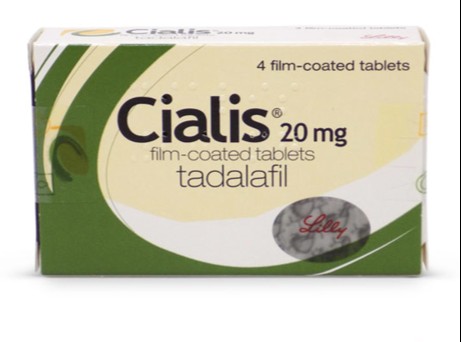
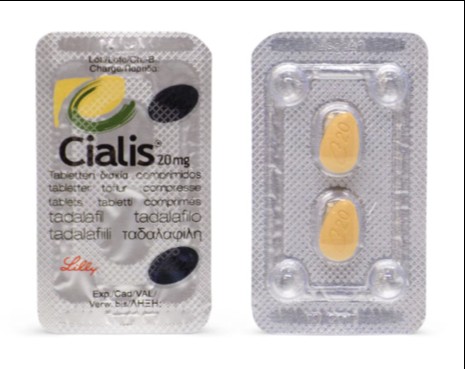
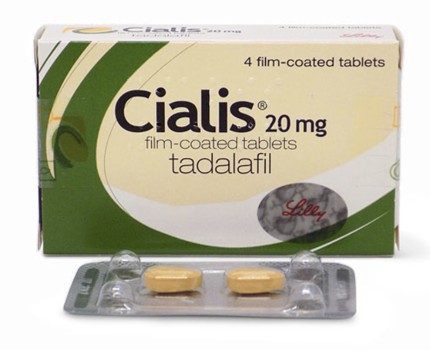
Cialis (tadalafil): uses, safety, side effects, and basics

Cialis: what it treats, how it works, and how to use it safely

Cialis is one of those medications people often read about quietly, late at night, after a few frustrating weeks (or years) of changes they didn’t expect. Erectile dysfunction is common, but that doesn’t make it easy. Patients tell me the hardest part is the uncertainty: “Is this stress? Aging? My heart? My relationship?” The worry can snowball, and the more pressure you feel, the more your body seems to refuse to cooperate. That spiral is real.

There’s another, less talked-about reason people end up learning the name Cialis: urinary symptoms from an enlarged prostate. Frequent nighttime urination, urgency, a weak stream—none of it feels dramatic, yet it can grind you down. Sleep suffers. Travel becomes annoying. Even long meetings start to feel risky. It’s the kind of daily nuisance that chips away at quality of life.

Cialis is a prescription medication used to treat erectile dysfunction (ED) and, in many adults, lower urinary tract symptoms related to benign prostatic hyperplasia (BPH). It contains tadalafil, a drug in the phosphodiesterase type 5 (PDE5) inhibitor class. This article walks through what Cialis is for, how it works in plain language, what practical use looks like, and the safety issues that matter most—especially interactions and heart-related precautions. No hype. Just the facts, plus the real-world context I wish everyone got at the first appointment.

Understanding the common health concerns behind Cialis

The primary condition: erectile dysfunction (ED)

Erectile dysfunction means having ongoing difficulty getting or maintaining an erection firm enough for satisfying sexual activity. It’s not the same as a single “off night.” Everyone has those. ED is the pattern that sticks around, starts affecting confidence, and turns sex into a performance review.

Physiologically, erections depend on blood flow, nerve signaling, hormones, and psychological factors working together. The body has to relax smooth muscle in the penis so blood can fill the erectile tissue, and then it has to keep that blood there long enough. When any part of that chain is disrupted—vascular disease, diabetes, medication effects, anxiety, low testosterone, sleep apnea—the result can look the same: unreliable erections.

I often see people blame themselves first. They assume it’s “just stress” or “just getting older.” Stress absolutely plays a role, but ED is also a health signal. In clinic, ED sometimes shows up before a person has been diagnosed with high blood pressure, high cholesterol, or diabetes. The penis is sensitive to circulation problems; it doesn’t politely wait until the heart symptoms arrive. The human body is messy like that.

Common experiences include reduced rigidity, losing an erection partway through sex, needing more stimulation than before, or avoiding intimacy to dodge embarrassment. That avoidance can strain relationships. It can also make anxiety worse, which then feeds back into ED. A frustrating loop.

ED has many contributors, and they often stack:

  • Vascular factors (atherosclerosis, hypertension, smoking history)
  • Metabolic factors (diabetes, obesity)
  • Neurologic factors (nerve injury, spinal issues)
  • Medication effects (certain antidepressants, blood pressure medications, others)
  • Psychological factors (performance anxiety, depression, relationship conflict)
  • Hormonal issues (low testosterone is less common than people think, but it matters)

That’s why a good ED conversation is never only about sex. It’s also about sleep, mood, alcohol, exercise, and cardiovascular risk. If you want a deeper overview of evaluation basics, I keep a patient-friendly explainer in our ED assessment guide.

The secondary related condition: benign prostatic hyperplasia (BPH) symptoms

Benign prostatic hyperplasia is a non-cancerous enlargement of the prostate gland. The prostate sits around the urethra, so when it grows, it can narrow the channel that urine passes through. The result is a cluster of lower urinary tract symptoms: weak stream, hesitancy, straining, dribbling, feeling like you didn’t empty completely, urinary urgency, and waking up at night to urinate.

Patients rarely describe BPH symptoms as “painful.” They describe them as exhausting. I hear: “I’m up three times a night.” Or: “I map bathrooms everywhere I go.” When sleep is repeatedly interrupted, everything else suffers—energy, libido, patience, even blood pressure.

BPH becomes more common with age, and it often overlaps with ED in the same decades of life. That overlap isn’t a coincidence. Vascular health, inflammation, pelvic smooth muscle tone, and medication use all intersect here. Also, when someone is tired from nocturia, sexual interest and performance can drop. No mystery there.

How ED and BPH symptoms overlap in real life

ED and BPH symptoms can show up together, and treating one problem sometimes improves the other indirectly. Better sleep can improve sexual function. Less anxiety about urinary urgency can make intimacy feel less “scheduled.” On the flip side, untreated urinary symptoms can keep the nervous system on high alert, and that state is not friendly to erections.

There’s also a practical overlap: people want a plan that fits their life. They don’t want three different pills with three different sets of rules and side effects. They want fewer moving parts. When I’m talking with patients, the best outcomes tend to happen when we step back and ask: what’s driving the symptoms, what’s safe given the person’s heart health, and what’s realistic to stick with?

If you’re dealing with both sexual and urinary changes, it’s worth discussing the full picture with a clinician rather than treating each symptom in isolation. A thoughtful medication choice is only one piece; lifestyle and risk-factor management matter too. More on that later.

Introducing Cialis as a treatment option

Active ingredient and drug class

Cialis contains tadalafil. Tadalafil belongs to a group of medications called phosphodiesterase type 5 (PDE5) inhibitors. You might recognize the class because there are other ED medications in it, but tadalafil has its own pharmacology and practical feel.

PDE5 inhibitors work on smooth muscle and blood vessel signaling. They don’t create sexual desire. They don’t override consent or arousal. They support the body’s normal erection pathway when sexual stimulation is present. That distinction saves a lot of disappointment and confusion.

In my experience, the most helpful framing is this: tadalafil improves the physiologic conditions for an erection. It doesn’t replace the brain, the relationship, or the context. If someone is exhausted, anxious, and drinking heavily, no medication can fully compensate for that.

Approved uses

Cialis is approved for:

  • Erectile dysfunction (ED)
  • Signs and symptoms of BPH (lower urinary tract symptoms related to benign prostatic hyperplasia)
  • ED plus BPH in the same patient

Clinicians sometimes discuss PDE5 inhibitors for other situations, but those uses fall into off-label territory and should be approached carefully. If you see bold claims online about tadalafil treating everything from “male vitality” to athletic performance, take a breath. That’s not medical practice; that’s marketing noise.

What makes Cialis distinct

The feature people most associate with Cialis is its longer duration of action compared with some other PDE5 inhibitors. Tadalafil has a relatively long half-life—often summarized as allowing effects to persist for up to about 36 hours in many individuals. That doesn’t mean a continuous erection (that would be an emergency). It means the medication’s supportive effect can linger, which changes how people plan intimacy.

Some patients like the flexibility. Others prefer a shorter window. Neither preference is “right.” It’s just personal. I’ve had patients joke that they want their medication to be like a light switch, not a weekend-long dimmer. Fair point.

Cialis is also distinct because it’s used for both ED and BPH symptoms. That dual indication is clinically useful when it fits the patient’s health profile and medication list. If you’re comparing options, our PDE5 inhibitor comparison overview can help you ask better questions at your appointment.

Mechanism of action, explained without the jargon

How Cialis supports erections in ED

During sexual stimulation, nerves release nitric oxide in penile tissue. Nitric oxide triggers production of a messenger molecule called cyclic guanosine monophosphate (cGMP). cGMP relaxes smooth muscle in the penis, allowing blood vessels to open and blood to flow in. That increased blood flow is what creates firmness.

The body also has “brakes” that break down cGMP. One of the enzymes responsible is phosphodiesterase type 5 (PDE5). Tadalafil inhibits PDE5, which slows the breakdown of cGMP. With cGMP sticking around longer, smooth muscle relaxation is easier to sustain, and blood flow support improves.

Two practical implications matter here:

  • Sexual stimulation is still required. Without arousal, the nitric oxide signal isn’t there, and tadalafil has little to amplify.
  • It supports a physiologic process. It doesn’t “force” an erection; it improves the conditions for one.

Patients sometimes ask, “Does it fix the cause?” Sometimes yes, indirectly—if ED is largely vascular and the medication restores function while you address risk factors. Sometimes no—if the root issue is severe nerve injury, uncontrolled diabetes, or major relationship distress. The medication can still be part of a plan, but it’s rarely the whole plan.

How Cialis improves BPH-related urinary symptoms

BPH symptoms are influenced by two main factors: the physical size of the prostate and the tone of smooth muscle in the prostate and bladder neck. Even without dramatic enlargement, increased smooth muscle tone can narrow the urinary channel and worsen symptoms.

PDE5 enzymes are present in parts of the lower urinary tract. By inhibiting PDE5, tadalafil affects cGMP signaling and smooth muscle relaxation in that region as well. The result, for the right patient, is reduced urinary symptom burden—less urgency, fewer nighttime trips, and a stream that feels less like a reluctant garden hose.

That said, tadalafil does not shrink the prostate in the way that 5-alpha-reductase inhibitors can. It’s addressing function and tone more than anatomy. In clinic, that difference guides expectations and helps decide whether combination therapy is appropriate.

Why the effects can feel longer-lasting or more flexible

Medications rise and fall in the bloodstream over time. Tadalafil’s longer half-life means it declines more slowly than some other ED drugs. In plain terms: it stays in your system longer. That longer presence can translate to a wider window where sexual activity is possible without pinpoint timing.

People experience that window differently. Food, alcohol, other medications, liver and kidney function, and simple individual variation all influence how long effects are noticeable. I’ve seen patients surprised in both directions—some feel it wears off sooner than expected, others feel the support lingers into the next day. That variability is normal biology, not personal failure.

Practical use and safety basics

General dosing formats and usage patterns

Cialis is prescribed in different dosing strategies depending on the goal: treatment of ED, treatment of BPH symptoms, or both. Clinicians commonly use either an as-needed approach for ED or a once-daily approach for people who want steady coverage and/or are also treating BPH symptoms.

The exact dose and schedule are individualized. They depend on age, other medications, kidney and liver function, side effects, and cardiovascular status. This is not a medication to “borrow,” split casually, or experiment with recreationally. I’ve had to clean up the aftermath of that decision more than once, and it’s never a fun visit.

If you want to prepare for a prescribing discussion, it helps to bring a complete medication list (including supplements) and be honest about alcohol intake and any chest pain history. That honesty speeds things up and keeps you safer.

Timing and consistency considerations

With as-needed use, clinicians often advise taking tadalafil ahead of anticipated sexual activity, allowing time for absorption. With daily use, consistency matters; the goal is a stable baseline level rather than a single “event-based” dose. Either way, the label instructions and your prescriber’s guidance should be the final word.

One subtle point I share with patients: the first few attempts with an ED medication are often not “perfect.” Nerves are high, expectations are sky-high, and people are watching their body like a hawk. That vigilance alone can interfere with arousal. Give yourself room to learn what normal feels like again. It’s awkward at first. That’s human.

Also, alcohol deserves a mention. A drink or two is not automatically a problem for everyone, but heavier drinking can worsen erections, increase dizziness, and compound blood-pressure effects. If you’re relying on alcohol to get through intimacy, that’s a separate conversation worth having.

Important safety precautions (contraindications and interactions)

The most critical safety rule with Cialis is straightforward: do not combine tadalafil with nitrates. This includes nitroglycerin (tablets, sprays, patches, ointments) and other nitrate medications used for chest pain, as well as certain “poppers” (amyl nitrite or similar). The combination can cause a dangerous drop in blood pressure, leading to fainting, shock, or worse. This is a major contraindicated interaction.

Another interaction that deserves respect involves alpha-blockers used for BPH or high blood pressure (such as tamsulosin, doxazosin, terazosin, and others). Using tadalafil with alpha-blockers can increase the risk of symptomatic low blood pressure—lightheadedness, dizziness, or fainting—especially when standing up quickly. Clinicians can sometimes manage this combination with careful selection and monitoring, but it should never be a surprise pairing.

Other important cautions come up frequently in practice:

  • Strong CYP3A4 inhibitors (certain antifungals and antibiotics, some HIV medications) can raise tadalafil levels and side effects.
  • Other ED drugs should not be combined without explicit medical guidance.
  • Significant liver or kidney disease can change how tadalafil is cleared.

Seek urgent medical care if you develop chest pain during sexual activity. Do not try to “push through.” And if you ever need emergency care, tell the clinician you’ve taken tadalafil—timing matters for safe treatment decisions. For a broader checklist of medication interactions to review with your clinician, see our medication interaction safety page.

Potential side effects and risk factors

Common temporary side effects

Most side effects from Cialis are related to blood vessel dilation and smooth muscle effects. Commonly reported issues include:

  • Headache
  • Facial flushing or warmth
  • Nasal congestion
  • Indigestion or reflux symptoms
  • Back pain or muscle aches
  • Dizziness, especially with dehydration or alcohol

Many of these are mild and fade as the medication wears off. Back pain and muscle aches can be particularly annoying; patients often describe it as a dull, flu-like soreness rather than a sharp injury. Hydration, sleep, and avoiding heavy alcohol can make a difference, but persistent or severe symptoms deserve a clinician’s input.

If side effects are bothersome, the solution is not to “tough it out” indefinitely. Sometimes a different dosing strategy, a different PDE5 inhibitor, or addressing contributing factors (like uncontrolled blood pressure) makes the whole experience smoother.

Serious adverse events (rare, but urgent)

Rare adverse events are uncommon, yet they’re the reason clinicians take a careful history before prescribing. Seek immediate medical attention for:

  • Chest pain, severe shortness of breath, fainting, or symptoms of a heart event
  • An erection lasting more than 4 hours (priapism), which can damage tissue if not treated promptly
  • Sudden vision loss or a major change in vision
  • Sudden hearing loss, sometimes with ringing or dizziness
  • Severe allergic reaction (swelling of face/lips/tongue, trouble breathing)

I’m deliberately blunt here: if any of those occur, treat it as an emergency. Don’t wait to “see if it passes.” Time matters.

Individual risk factors that change the safety calculus

Whether Cialis is appropriate depends heavily on cardiovascular status. Sexual activity itself increases cardiac workload, and tadalafil can lower blood pressure. People with unstable angina, recent heart attack or stroke, uncontrolled arrhythmias, or severe heart failure need individualized assessment before any ED medication is considered.

Kidney and liver function also matter because they influence how long tadalafil stays in the body. In practice, I pay close attention to older adults on multiple blood pressure medications, anyone with a history of fainting, and people who are already prone to dizziness when standing.

There’s also the “medication list reality.” Patients often arrive thinking they take “just a couple things,” and then we uncover nitrates, alpha-blockers, or strong interacting drugs. No judgment—this is why medication reconciliation exists. Bring the list. Bring the bottles if needed. It saves time and prevents mistakes.

Looking ahead: wellness, access, and future directions

Evolving awareness and stigma reduction

One of the best changes I’ve seen over the last decade is that people are more willing to talk about ED and urinary symptoms without treating them as personal shortcomings. That shift matters. Earlier conversations lead to earlier diagnosis of diabetes, hypertension, sleep apnea, depression, and medication side effects that are fixable.

ED is not a character flaw. BPH symptoms are not a punishment for aging. They’re medical issues with medical options. Sometimes the “treatment” is as simple as adjusting a medication that’s dampening sexual function. Sometimes it’s addressing alcohol use, sleep, or relationship stress. And sometimes a prescription like Cialis fits well into a broader plan.

When patients stop whispering, clinicians can do better work. I’ve watched couples go from tense and avoidant to collaborative and practical. That’s a health win, even if it doesn’t show up on a lab report.

Access to care and safe sourcing

Telemedicine has made it easier for many adults to discuss ED and BPH symptoms, especially those who feel embarrassed or who live far from specialty care. That convenience is real. Still, safe prescribing requires a real medical intake: cardiovascular history, medication review, and clear counseling about interactions.

Counterfeit ED medications remain a serious problem worldwide. Products sold through unverified online sellers can contain the wrong dose, the wrong drug, or contaminants. If cost is a barrier, talk with a clinician or pharmacist about legitimate options rather than gambling on a mystery product.

For practical steps on verifying pharmacies and understanding prescription safety, see our safe sourcing and pharmacy guidance.

Research and future uses

PDE5 inhibitors have been studied in a range of conditions beyond ED and BPH, largely because the nitric oxide-cGMP pathway is involved in blood vessel function in many organs. Some research explores vascular and endothelial effects, and tadalafil’s cousin drugs are used in certain forms of pulmonary arterial hypertension (under different brand names and dosing). That’s established medicine for specific diagnoses.

For tadalafil itself, ongoing research sometimes looks at symptom clusters—urinary symptoms, pelvic pain syndromes, and other quality-of-life conditions. Evidence varies by condition, and not all findings translate into routine care. If you see headlines claiming tadalafil is a cure-all, read them with skepticism. Science moves in increments, not miracles.

What I expect to keep improving is personalization: better matching of ED therapy to cardiovascular risk, mental health context, hormone status, and patient preference. The medication is one tool. The future is using it with more precision and less stigma.

Conclusion

Cialis (tadalafil) is a prescription PDE5 inhibitor used to treat erectile dysfunction and, for many adults, lower urinary tract symptoms related to benign prostatic hyperplasia. Its core action is to support nitric oxide-cGMP signaling, improving smooth muscle relaxation and blood flow dynamics—effects that can aid erections with sexual stimulation and reduce urinary symptom burden in the right clinical context.

Like any medication, it comes with tradeoffs. Headache, flushing, congestion, indigestion, and muscle aches are common. The major safety issue is interaction with nitrates, which is dangerous and non-negotiable, and caution is also needed with alpha-blockers and certain interacting medications. Cardiovascular history, kidney and liver health, and the full medication list shape whether tadalafil is a good fit.

If you’re considering Cialis, the best next step is a straightforward medical conversation—one that covers symptoms, expectations, and safety rather than just a prescription request. This article is for education only and does not replace personalized medical advice, diagnosis, or treatment from a licensed healthcare professional.

Comments are closed

Contact us